Based on the patterns from the last 6 days, dropping overnight water temperatures and steady northeast winds have pushed schooling Redfish out of open shoals and pinned them tight against flooded mangrove shorelines, while heavy slot Snook are dropping into deeper transition potholes on falling tides. Fishing Eric’s lead analysis indicates that while predatory metabolism remains high, the extreme water clarity of early November means standard heavy-handed approaches scatter entire schools before a cast lands.
Educational Masterclass: How Autumn Cold Fronts Scatter Flats Species & How to Adapt
When the first true autumn cool fronts sweep across shallow flats, water depth between 1 to 3 feet cools dramatically within hours. Snook, Redfish, and Seatrout do not stay evenly distributed across expansive turtle grass; their positioning shifts strictly by thermal and tidal boundaries.
As Fishing Eric logged on the water over the past 6 days, gamefish drop out of the skinny grass flats during low-tide morning chills and stage inside darker, silt-bottom depressions and transition channels that hold solar heat. As the midday sun warms shallow sand potholes, fish push up onto the edges to absorb warmth and ambush baitfish. To adapt, abandon fast-moving surface search baits on post-front mornings. Target dark bottom contours during early low tides, then follow the warming water up onto shallow sand bars as the sun climbs. Present your bait motionless or with subtle, low-displacement twitches to match the lethargic behavior of cooling forage.
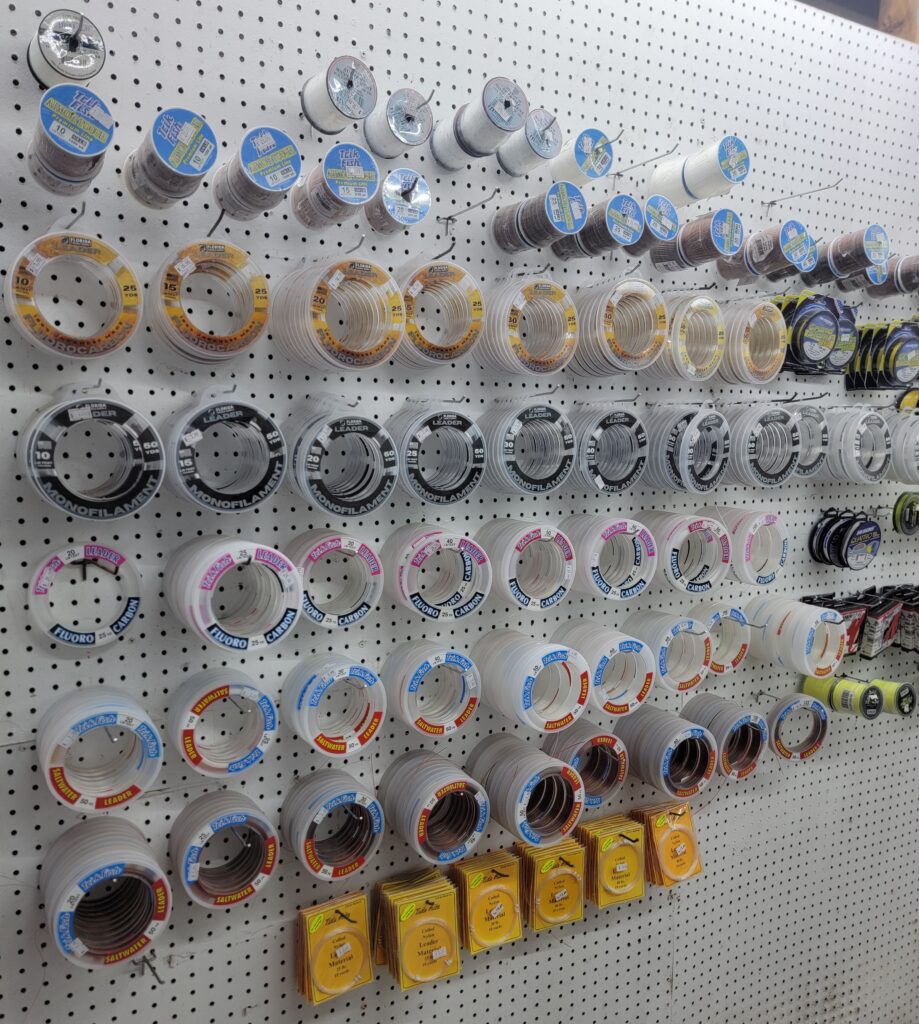
Pair this thermal staging with TrikFish Camo leader to eliminate “The Flash”—the split-second optical glint of clear line reflecting direct sunlight across shallow flats—so wary fish feed without hesitation.
Swing by Skyway Bait in Palmetto to load up on sorted live shrimp, light-wire circle hooks, popping corks, and split-shot tackle before heading to the ramp.
SECTION 2: STANDALONE VERIFIED FWC REGULATIONS
[Verified FWC Regulations as of: 2026-11-04 14:02 EST via myfwc.com]
-
Redfish (Tampa Bay Region): Slot limit 18″ to 27″ total length. Daily bag limit: 1 per harvester, 2 per vessel limit. Open year-round.
-
Snook (Tampa Bay Region): Slot limit 28″ to 33″ total length. Daily bag limit: 1 per harvester. Harvest season OPEN (Sept 1 – Nov 30). Snook permit required.
-
Spotted Seatrout (Tampa Bay Region): Slot limit 15″ to 19″ total length. Daily bag limit: 3 per harvester. May possess 1 fish over 19″ total length per vessel (counts toward aggregate). Open year-round.
-
Flounder: Minimum size limit 14″ total length. Daily bag limit: 5 per harvester. Harvest Regulation Status: CLOSED TO HARVEST (Annual season closure Oct 15 – Nov 30; catch and release only).
-
Sheepshead: Current harvest regulations are unverified; this species is CATCH AND RELEASE ONLY until you confirm with the FWC app or website.
-
Gag Grouper: Closed for recreational harvest in Gulf State and Federal waters (Season closed October 1, 2026, via Executive Order following the Sept 1–30 harvest window). Current harvest regulations status: CATCH AND RELEASE ONLY.
Navigating the shallow backcountry waters of lower Tampa Bay down to Sarasota Bay—including the expansive grass beds of Terra Ceia, the mangrove cuts around Snead Island, the shallow oyster seams near the Green Bridge, the flats flanking the Sunshine Skyway Fishing Piers, and the deeper ledges connecting to the Tampa Bay shipping channels—is a mechanical chess match. Flats fishing in clear November water magnifies every rigging mistake. As Fishing Eric logged on the water over the past 6 days, anglers are missing quality fish across local flats due to three mechanical missteps.
The 3 Ways to Lose Fish Right Now
-
Incorrect Live Shrimp Sizing and Rigging on Shallow Grass Flats
Anglers routinely purchase random, unsorted live bait, spear a small shrimp onto a thick 3/0 forged hook, and sling it across shallow grass beds. An oversized, heavy-gauge hook overwhelms the biological mass of a smaller shrimp, driving the bait straight down into dense turtle grass roots where it hides out of sight. A pinned shrimp that cannot move creates zero water displacement. Furthermore, when an angler rips the hook out of the grass roots, the bait tears in half, leaving bare wire for cruising Redfish and Seatrout to bypass.
-
The Palmetto Solution: At Skyway Bait, we sort live shrimp strictly into Small, Medium, Large, and Jumbo. We do not use arbitrary industry marketing terms like “selects” or “handpicks”—we maintain exact sizing standards. For targeting shallow grass flats and oyster seams around Snead Island and Terra Ceia, select Large live shrimp. Tie on a light-wire 1/0 circle hook. Pass the hook through the clear space in the horn just ahead of the brain, or run it through the final tail segment after removing the tail fan. A Large shrimp carries enough muscle to tow a light-wire hook freely above the turtle grass canopy, sending continuous distress vibrations through the lateral lines of nearby Snook and Redfish.
-
-
Miscalculating NOAA Flow Velocity & Rigid Dead-Bait Presentation
Anglers fishing mangrove points and current cuts often fail to account for tidal speed when rigging cut bait or dead forage. Casting raw, wild-caught frozen threadfins on a short, stiff leader into a ripping current cut causes the bait to spin or tumble unnaturally along the bottom. Redfish and Snook hold tight behind structure facing upstream, waiting for injured bait to wash down naturally with the tide. A spinning bait that tumbles sideways looks artificial, generates unnatural water pressure, and triggers instant refusal from educated fish.
-
The Palmetto Solution: Monitor real-time flow speed before setting up on a mangrove seam using the “What’s the Flow” tide chart, which pulls depth and live velocity metrics directly from NOAA reporting stations. When fishing swift cuts near the Green Bridge and Terra Ceia passes, snip the tail fin off raw, wild-caught frozen threadfins with bait shears to kill rotational drag. Pin the hook through the lower jaw and out the nose, and connect your leader using a Non-Slip Loop Knot. The loop knot allows the bait to track straight and level with the natural drift of the tide, drifting into mangrove root pockets without spinning.
-
-
Line Flash and Structural Abrasion on Shallow Shell Bars
Early November brings intense post-frontal water clarity across shallow flats. Anglers spooling standard clear monofilament or fluorocarbon leaders find their offerings rejected in direct sunlight. Clear leaders reflect an optical glint—known as “The Flash”—as light pierces 2 feet of water. Skeptical slot Snook and wary Redfish flare off when they spot the unnatural reflection. Furthermore, when hooked fish charge into razor-sharp oyster bars or mangrove roots, standard leader materials part immediately under friction.
-
The Palmetto Solution: Eliminate line reflection completely by tying on TrikFish Camo leader material. TrikFish Camo utilizes a multi-spectrum tinted camouflage profile that absorbs ambient light rather than reflecting it, blending into dark turtle grass, oyster shells, and mangrove root systems. Run a 25 lb to 30 lb TrikFish Camo leader tied directly to your mainline with an Alberto knot. This setup delivers stealth in crystal-clear water while providing the mechanical abrasion resistance needed to turn a big Snook or schooling Redfish away from oyster clumps around Snead Island.
-
SECTION 4: TECHNICAL Q&A
Q: Why are schooling Redfish ignoring topwater lures on shallow sand flats during post-front mornings?
A: Cold overnight air drops water temperatures quickly in 2 feet of water, pushing Redfish into a lethargic, bottom-hugging state. As Fishing Eric logged on the water over the past 6 days, switching from fast surface plugs to a Large live shrimp from Skyway Bait pinned on a light-wire hook and drifted slowly through deeper potholes draws far more strikes.
Q: Where are the Spotted Seatrout staging as water temperatures drop across the bay?
A: Seatrout have moved out of thin 1-foot shallows and are congregating over 3-to-5-foot grass flats and sand potholes where water temperatures remain more stable. Suspending a live shrimp 2 to 3 feet under a popping cork produces consistent action along grass transitions.
Q: How should I rig a cut threadfin to target Snook tucked tight against mangrove overhangs?
A: Take a raw, wild-caught frozen threadfin, cut a chunk or trim off the tail fin to eliminate spinning, and rig it on a 25 lb TrikFish Camo leader with a light circle hook. Skip the bait under the mangrove canopy on a moving tide and let it rest motionless on the sand edge.
Q: What is the most effective approach for finding feeding fish across unfamiliar flats from Tampa Bay down to Sarasota Bay?
A: Check the Google AI-powered “What’s Bitin‘” tool before trailering to identify active species trends from the last 6 days, then align your arrival with peak current movement windows using the “What’s the Flow” tide chart to fish the strongest water flow.
Q: Why does my live shrimp die within minutes of being cast onto shallow oyster bars?
A: Piercing the dark vital organs in the head kills the shrimp immediately. Pass a light-wire circle hook cleanly through the clear, horn area in front of the dark spot, or hook it through the tail meat to keep it kicking vigorously.
#PalmettoBaitShop #SkywayBait #TrikFishCamo #FishingReportPalmetto #LiveBaitNearMe #SkywayPier #EricGilbert #FishingEric