Based on the patterns from the last 7 days, the nearshore reefs and hard-bottom ledges sitting between 9 and 25 miles out in the Gulf are loaded with fish. We have a massive migration of King Mackerel tracking bait schools along the shipping channels, while the deeper limestone ledges are completely covered up with high-density schools of Mangrove Snapper and aggressively territorial Hogfish.
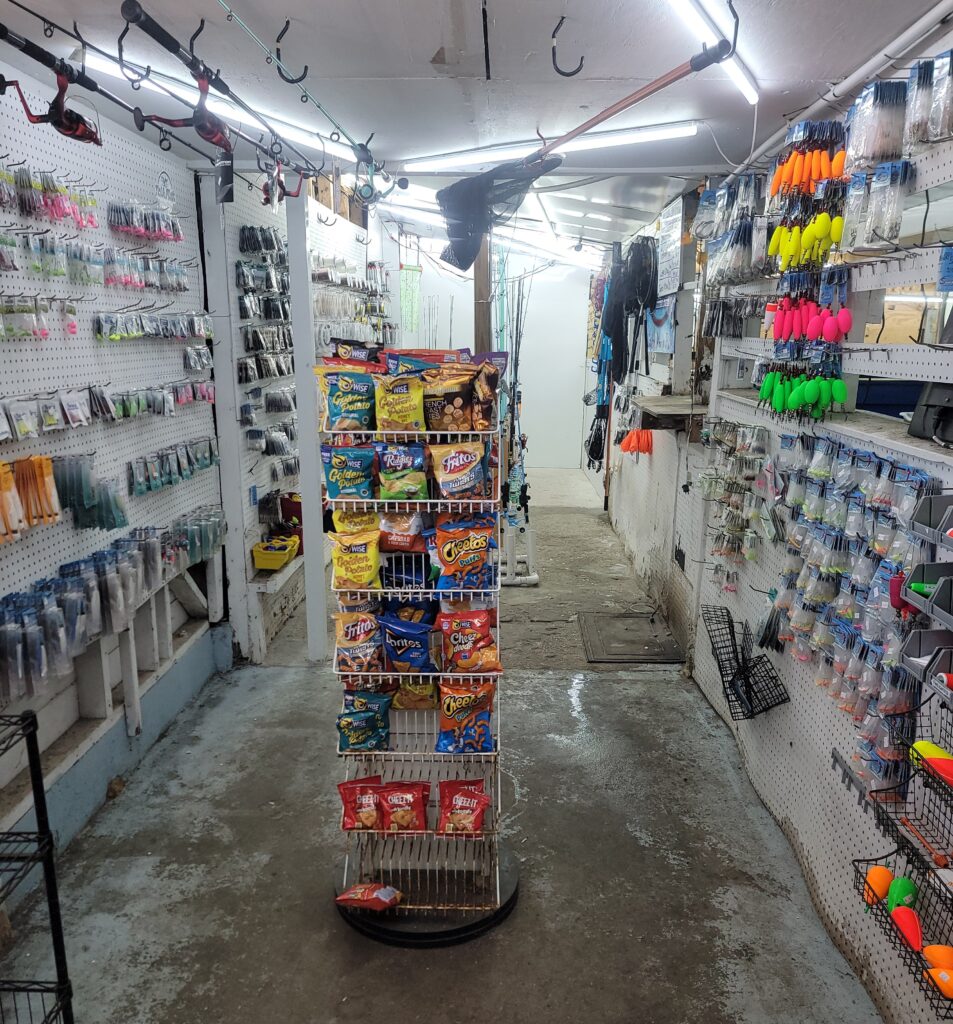
Before you drop your boat in at the Snead Island or Terra Ceia ramps, you need to lock down your payload at Skyway Bait in Palmetto. The nearshore environment demands clean, premium options. We have our live wells stocked with pre-sorted small, medium, large, and jumbo shrimp. Grab several dozen of our jumbos for the reef-dwellers and secure a couple of blocks of our fresh frozen threadfin herring to run your pelagic spreads.
Verified FWC Regulations
Timestamp of Search: May 19, 2026, 9:45 AM EDT
Data retrieved directly from official Florida Fish and Wildlife Conservation Commission mandates (myfwc.com) for the Gulf State and Federal Waters adjacent to Manatee County:
-
King Mackerel: Open year-round. Minimum size limit: 24 inches fork length. Daily bag limit: 3 fish per person.
-
Hogfish (Gulf Zone): Open year-round. Minimum size limit: 14 inches fork length. Daily bag limit: 5 fish per person.
-
Mangrove (Gray) Snapper: Open year-round. Minimum size limit: 12 inches total length. Daily bag limit: 10 fish per person.
-
Gag Grouper (Gulf Region): CLOSED SEASON. Executive Order restricts recreational harvest in Gulf state waters until September 1, 2026. CATCH AND RELEASE ONLY.
The Tactical Audit
Nearshore operations from Tampa Bay out into the open Gulf provide incredible numbers of quality sportfish, but the environment is entirely unforgiving. You are dealing with highly pressurized fish residing on localized, high-relief concrete structures, artificial reefs, and low-profile natural limestone ledges. Precision rigging is the only boundary between a heavy cooler and total gear failure.
Real-Time Marine Analytics
Do not head past the beaches without looking at the data. Anglers must check either our Google AI-powered “What’s Bitin” tool or our “What’s the Flow” tide chart before plotting their run. Out on the nearshore ledges, vertical depth fluctuations are less drastic than inside the bay, but horizontal kinetic flow determines how fish align themselves on a reef. When the NOAA reporting stations indicate an accelerating current over the offshore structures, King Mackerel will lock directly onto the high-relief up-current side of the wrecks to intercept compressed schools of baitfish. Conversely, if the flow index drops below 0.5 knots, bottom-dwelling species like Hogfish and Mangrove Snapper spread out away from the safety of the main ledge to forage over the adjacent sand flats—meaning you must adjust your drift path to match their exact dispersion.
The “Ways to Lose” Analysis
1. The “Screaming Shear”: King Mackerel Mainline Burn
Anglers targeting the heavy schools of King Mackerel currently patrolling the shipping channels are consistently losing fish during the initial, high-velocity run. A King Mackerel strikes a bait at upwards of 40 miles per hour; if your line rubs against the dorsal fin or tail of another fish in the school, or if your line creates a visible reflection that triggers a secondary strike from a trailing fish, the line shears instantly.
The definitive solution is deploying a stealth line system. Utilizing TrikFish Camo breaks up the visual signature of your line in the ultra-clear nearshore waters, preventing secondary fish from striking the line itself. Pair this line with a minimal, dark-monel wire tournament stinger rig—using a size 4 live bait hook through the nose of a frozen threadfin herring and a trailing size 6 treble hook pinned loosely near the tail to ensure that even short-striking fish find the steel.
2. The “Barnacle Breakout”: Mangrove Snapper Structural Retreat
When a high-quality Mangrove Snapper hits a bait on a nearshore artificial reef or concrete structure, its immediate instinct is to dive backward into the closest structural cavity or barnacle-encrusted pipe. Anglers are losing the largest snapper of the day because they use light, elastic monofilament lines that stretch up to 20% under a heavy load, giving the fish just enough physical clearance to reach the sharp edges of the structure.
You must stop the stretch. Match your mainline to a heavy-duty, zero-stretch braid, terminated with a 40-pound test abrasion-resistant leader. When you feel the rapid-fire taps of a mature nearshore snapper, do not perform a sweeping bass-style hook set. Instead, keep the rod tip low, reel rapidly to drive the circle hook into the corner of the jaw, and immediately lift the rod in a continuous vertical arc to pull the fish’s head five feet off the top of the wreck before it can turn its tail.
3. Small Bait Saturation and Hogfish Bypass
The natural limestone ledges are currently covered up with small sand perch, juvenile grouper, and bait-stealing tomtates. Anglers dropping small, un-sorted baits are watching their hooks get stripped in seconds, completely bypassing the prized Hogfish that sift slowly through the bottom sediments just outside the main structure.
The mechanical fix requires bait size management and tactical presentation. At Skyway Bait, we sort our shrimp mechanically into small, medium, large, and jumbo. For the hogfish presentation, select our large or jumbo live shrimp. Rig the shrimp on a lightweight knocker rig—where the egg sinker rests directly against the eye of a 2/0 short-shank circle hook. This keeps the large shrimp pinned completely flat against the sand substrate where hogfish feed. The heavier shell of our jumbo shrimp prevents the smaller baitfish from instantly destroying the bait, allowing it to survive on the bottom until a hogfish can crush it with its pharyngeal pharyngeal teeth.
Technical Briefing: Q&A
Why are the Mangrove Snapper completely ignoring my bottom drops on the shallow nearshore reefs during bright conditions? The clear nearshore water lets sunlight penetrate deep into the column, making heavy lead weights and standard reflective hardware highly visible. Switch to a free-lined presentation using a split-shot or a downsized knocker rig paired with TrikFish Camo leader, allowing your jumbo shrimp to drift slowly and naturally down the face of the ledge.
What specific structural feature are the Hogfish staging on right now? They are not sitting on top of the high-profile structures; they are staging on the low-relief natural limestone ledges, specifically along the sandy perimeter edges and transitional aprons where the hard bottom meets the loose shell-and-sand flats in 40 to 60 feet of water.
Is it legal to keep a King Mackerel if it measures 25 inches from the snout to the tip of the tail? No. FWC regulations dictate that King Mackerel must be measured to the fork of the tail, not the total length. The fish must clear a minimum of 24 inches fork length to be legally retained.
How do I stop modern bait-thieves from destroying my frozen threadfins while trolling for King Mackerel? Bump your trolling velocity up to 4 to 5 knots. This speed is easily maintained by hungry, aggressive King Mackerel but is far too fast for smaller nuisance species like blue runners or jack crevalle to track and nip at the bait.
What is the best way to handle a out-of-season Gag Grouper brought up from 50 feet of water showing signs of barotrauma? Per FWC reef fish mandates, you must have a descending device or venting tool rigged and ready on board. If the fish exhibits an expanded swim bladder or protruding eyes, utilize a descending device to safely return the fish back to its structural depth to ensure survival.
PalmettoBaitShop #SkywayBait #TrikFishCamo #FishingReportPalmetto #LiveBaitNearMe #SkywayPier