Based on the patterns from the last 7 days, the Sunshine Skyway Fishing Piers are experiencing a massive, early-summer push of predatory species. The bait is stacked thick against the concrete pylons, and the large pelagics and heavy resident fish have followed them directly into the structural shadow. If you are sitting at home thinking the bite is slow, you are missing the cleanest incoming tide window we’ve seen all month.
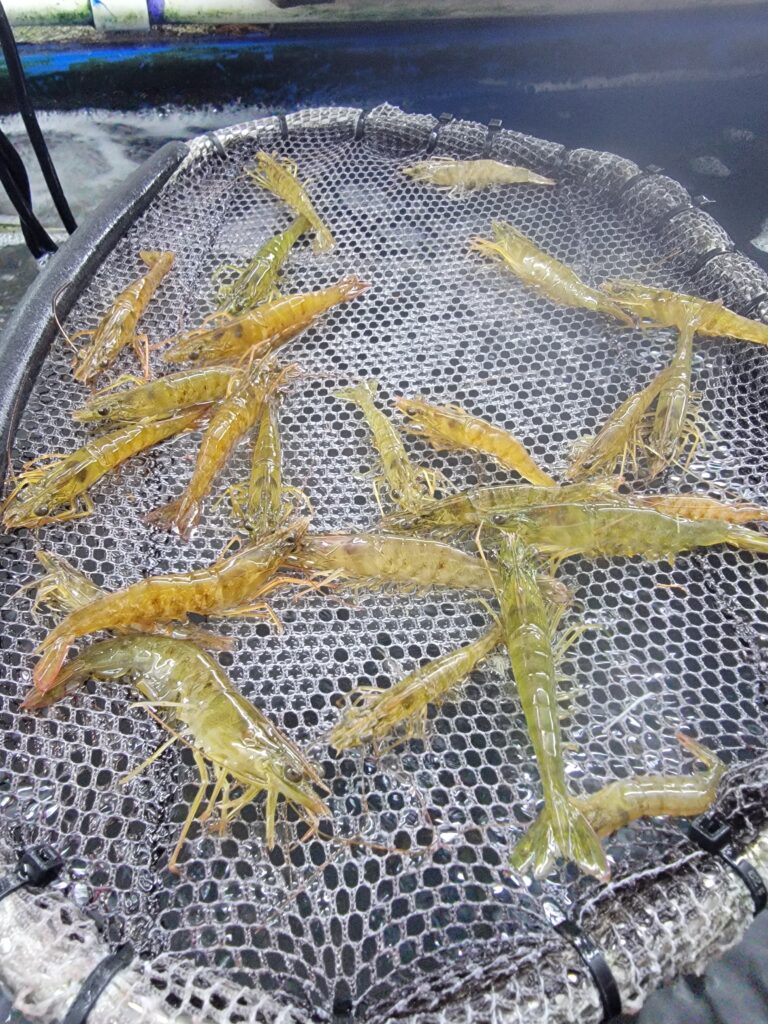
Before you step foot onto the concrete, you need to pull up to Skyway Bait in Palmetto and secure your live payload. The bite right now is highly size-dependent. We have our tanks fully stocked with live small, medium, large, and jumbo shrimp—sorted in advance so you aren’t wasting time at the counter. Grab a couple of dozen large or jumbos for the snapper, and make sure your cooler is loaded with our fresh frozen threadfin herring for the macro targets.
Verified FWC Regulations
Timestamp of Search: May 18, 2026, 11:24 AM EDT
Data retrieved directly from official FWC mandates (myfwc.com) for the Tampa Bay/Manatee County region:
-
Spotted Seatrout: Open year-round. Slot limit: 15 inches to 19 inches total length. Bag limit: 3 fish per person per day.
-
Snook (Tampa Bay Region): CLOSED SEASON. The recreational harvest is closed from May 1 through August 31. CATCH AND RELEASE ONLY. All snook caught must be handled with care and returned immediately to the water unharmed.
-
Gag Grouper: CLOSED SEASON. Recreational harvest in the Gulf of Florida is strictly closed until August 31, 2026. CATCH AND RELEASE ONLY.
-
Gray (Mangrove) Snapper: Open year-round. Minimum size limit: 12 inches total length. Bag limit: 10 fish per person per day.
The Tactical Audit
The Sunshine Skyway Fishing Piers offer some of the most accessible world-class structure fishing in the state, but they are also an absolute graveyard for cheap tackle and lazy presentations. Fishing a high-current, deep-water concrete structure demands exact mechanical execution. If you treat the pier like a backyard dock, the environment will penalize you instantly.
Construction and Infrastructure Update
Anglers need to adapt their foot traffic and spatial targeting due to the active infrastructure upgrades on the spans. Construction crews are moving forward with structural reinforcements and deck enhancements designed to prepare the pier system for long-term accessibility. While certain sections are temporarily cordoned off to facilitate heavy equipment and safety zones, this activity has actually worked to the angler’s advantage. The vibration and physical displacement from construction have broken loose heavy encrustations of barnacles and crabs from the older pilings. This structural disturbance acts as a massive, natural chum line, pulling schools of opportunistic feeders directly into the accessible fishing zones adjacent to the work barriers. Do not let the presence of work crews deter you; position yourself just down-current of the perimeter zones where the displaced forage is drifting.
Real-Time Marine Analytics
To maximize your hookup ratio on the pier, stop guessing at the water movements. Anglers must consult either our Google AI-powered “What’s Bitin” tool or our “What’s the Flow” tide chart before selecting their arrival window. Unlike standard, generic tide apps that only display high and low water heights, our system pulls both precise vertical depth AND horizontal kinetic flow metrics directly from active NOAA reporting stations. On a massive structure like the Skyway, a high volume of water movement can render heavy sinkers useless if the flow rate exceeds 2.5 knots. Conversely, a dead slack tide stalls the predatory drive of resident fish. You want to time your structural drops when the “What’s the Flow” index indicates a steady, decelerating or accelerating lateral movement, allowing your live presentations to drift naturally into the eddy zones behind the concrete pylons.
The “Ways to Lose” Analysis
1. The Light-Wire Crack: Monofilament and Light Leaders
The most common structural failure right now is anglers deploying standard, clear monofilament leaders or cheap, brittle fluorocarbon. The concrete pilings of the Skyway are heavily carpeted with razor-sharp oysters, barnacles, and macro-boring organisms. When a heavy fish takes a bait and makes a lateral run around a piling, standard line shears instantly. Furthermore, clear lines often produce what we call “The Flash”—a reflective glint under the piercing sun or nighttime green lights that spooks highly pressurized fish.
The immediate mechanical fix is spooling with TrikFish Camo. This line completely eliminates the reflective properties that trigger a fish’s defensive flight response, and its specific polymer composition offers superior abrasion resistance against barnacle encounters. Pair this with a heavy-duty, short-shank circle hook to ensure the corner-of-the-mouth hook set, keeping the main line away from the fish’s dental plates.
2. Mismanaging the Piling Eddies and Sinker Weights
Anglers are consistently losing fish by dropping their weights directly into the teeth of the current or using sinkers that are vastly underweight. If your lead is rolling across the bottom, it will inevitably find an obstruction, a discarded monofilament bird’s nest, or get wedged under a rock template. You cannot present a bait naturally if your weight is dragging it out of the strike zone.
You must fish the structural eddies. When the current hits a massive square concrete piling, it creates a high-pressure zone on the front face and a calm, low-pressure slipstream directly behind it. Large predatory fish sit inside this rear eddy, facing up-current, waiting for injured forage to wash past. You must use an egg sinker just heavy enough—typically 2 to 4 ounces depending on the NOAA flow reading—to pin the bait directly in that calm pocket. Drop your rig on the down-current side of the piling, letting the lead rest cleanly on the bottom without shifting.
3. Incorrect Bait Sizing and Frozen Integrity
Using generic, un-sorted baits or degraded frozen material is a guaranteed way to watch your hooks get stripped by pinfish and juvenile pests. If you buy shrimp from shops that don’t pre-sort, you are dropping mixed bags where small baits get obliterated before a quality gamefish can locate them. Additionally, pelagic species like mackerel and kingfish possess highly acute lateral lines and visual tracking; they will completely bypass a washed-out, mushy frozen bait that has been thawed and refrozen multiple times.
At Skyway Bait, we sort our shrimp by exact dimensions: small, medium, large, and jumbo. For the heavy structural bite, you need to deploy our large or jumbo live shrimp exclusively. The larger profile survives the descent through the pinfish gauntlet and presents a substantial, high-vibration target for larger predators. When targeting the pelagic runs along the deeper ends of the pier, our fresh-frozen threadfin herrings are critical. Note that there is no such thing as “jumbo” frozen threadfins across the industry—they simply come in whatever size they are netting at sea. Our inventory is frozen immediately upon offloading to preserve the silver sheen and flesh density, ensuring the bait stays securely pinned to your rig during high-velocity casts into the current.
Technical Briefing: Q&A
Why are the mangrove snapper snubbing live shrimp during peak midday sun? The water clarity around the pier during high noon creates high-visibility conditions. The fish can easily detect heavy terminal hardware and clear line reflections. Switch to a downsized stealth presentation using TrikFish Camo leader, a minimal weight, and move away from the bright surface rails down into the shadows of the lower structural cross-beams.
What depth are the resident grouper holding at along the pier spans? They are locked flat to the bottom template, specifically inside the deep scour holes created by the tidal current at the base of the main channel pilings, generally in 25 to 35 feet of water. They will not lift more than two feet off the structure to chase a bait right now.
How do I prevent blue runners and ladyfish from stealing my jumbo shrimp drops? Increase your sinker weight to accelerate the descent velocity through the mid-water column where the nuisance pelagics are patrolling. Get your bait past the 15-foot mark as fast as possible to land it cleanly in the bottom structural zone where the target snapper are staging.
Is it legal to harvest a Snook from the Skyway Pier right now if it falls within the 28-33 inch slot? No. Per strict FWC regulations for the Tampa Bay management zone, snook harvest closed on May 1st and remains completely closed through August 31st. Any snook hooked must be treated as catch and release only.
What is the most effective way to rig a frozen threadfin herring for pelagics off the high pier rails? Run a long shank hook directly through the snout or up through the lower jaw and out the skull. This anchors the bait securely against the high-velocity current and prevents the mouth from flapping open, which causes the bait to spin unnaturally and twist your line during a retrieve.
PalmettoBaitShop #SkywayBait #TrikFishCamo #FishingReportPalmetto #LiveBaitNearMe #SkywayPier