
Based on the patterns from the last 6 days, dropping water temperatures and consistent fall breezes have initiated the classic seasonal transition across lower Tampa Bay. The fall pelagic migration is in high gear: Kingfish (King Mackerel) and false albacore/bonito (Little Tunny) are slashing through bait schools along the deep edges, while schools of Florida Pompano are staging along the sandy drop-offs. Simultaneously, the very first wave of Sheepshead has arrived on the barnacle-crusted pilings alongside resident Mangrove Snapper and slot Snook. Fishing Eric’s lead analysis indicates that while predatory aggression is at an autumn peak, matching your bait profile to the distinct feeding zones of this mixed migration is what fills coolers.
Educational Masterclass: Rigging Dead Bait for Live-Action Swimming Dynamics
When drifting dead baits through deep structure for surface kings or Spanish mackerel, traditional through-the-eye rigging causes the bait to spin violently like an unbalanced propeller. This rotational spin twists your line, prevents natural water displacement, and causes pressured fish to peel off.
To overcome this, Fishing Eric breaks down the hydrodynamic keel rig. Taking raw, wild-caught frozen threadfins, take bait shears and square off the tail fin entirely to kill water drag. Next, pass the hook point upward through the bottom jaw and out through the hard cartilage between the nostrils. Trimming the tail removes surface area that catches current, while the nose pin allows the bait to plane level. In swift water, the threadfin cuts dead-straight with a natural, wounded wobble that draws ferocious reaction strikes. Pair this setup with TrikFish Camo leader to eliminate “The Flash”—the split-second optical glint of clear mono or fluorocarbon catching sunlight—so line-shy pelagics strike without hesitation.
Development Update: Anglers continue to track progress on the new Skyway Pier development projects, with ongoing facility and accessibility enhancements engineered to modernize access along the iconic bridge spans.
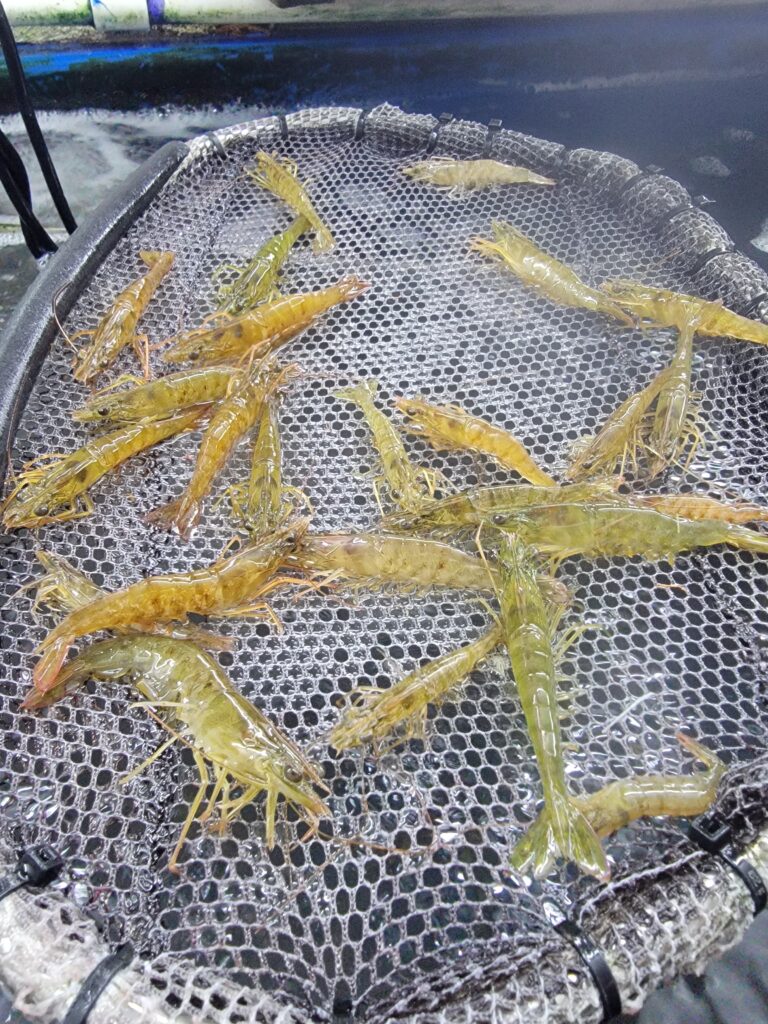
Stop by Skyway Bait in Palmetto to pick up sorted live shrimp, raw wild-caught frozen threadfins, long-shank mackerel hooks, and bottom leads before heading out.
SECTION 2: STANDALONE VERIFIED FWC REGULATIONS
[Verified FWC Regulations as of: 2026-10-26 16:35 EST via myfwc.com]
-
Florida Pompano: Minimum size limit 11″ fork length. Daily bag limit: 6 per harvester. Open year-round.
-
Sheepshead: Minimum size limit 12″ total length. Daily bag limit: 8 per person. Open year-round.
-
King Mackerel (Kingfish): Minimum size limit 24″ fork length. Daily bag limit: 3 per harvester. Open year-round.
-
Little Tunny (Bonito/False Albacore): No minimum size limit. Regulated under unregulated species aggregate rules (standard recreational default applies; check FWC website for local multi-species aggregate limits). Open year-round.
-
Spanish Mackerel: Minimum size limit 12″ fork length. Daily bag limit: 15 per harvester. Open year-round.
-
Snook (Tampa Bay Region): Slot limit 28″ to 33″ total length. Daily bag limit: 1 per harvester. Harvest season OPEN (Sept 1 – Nov 30). Snook permit required.
-
Mangrove (Gray) Snapper: Minimum size limit 10″ total length in Gulf state waters. Daily bag limit: 5 per harvester within the 10-snapper aggregate.
-
Redfish (Tampa Bay Region): Slot limit 18″ to 27″ total length. Daily bag limit: 1 per harvester, 2 per vessel limit. Open year-round.
-
Gag Grouper: Season closed October 1, 2026, for the remainder of the year in Gulf State and Federal waters. Current harvest status: CATCH AND RELEASE ONLY.
The fall transition transforms the Sunshine Skyway Fishing Piers, the Tampa Bay shipping channels, Terra Ceia, Snead Island, and the Green Bridge into a multi-species arena. Anglers are targeting everything from bottom-hugging Sheepshead to blistering surface Kingfish. Yet, as Fishing Eric logged on the water over the past 6 days, anglers consistently miss out on these runs due to three mechanical missteps.
The 3 Ways to Lose Fish Right Now
-
Incorrect Live Shrimp Sizing for Crustacean Feeders
With the first wave of Sheepshead and Pompano moving in alongside hefty Mangrove Snapper, anglers frequently impale Small or Medium live shrimp on large, heavy-wire hooks. A thick-gauge hook splits a small shrimp, killing its vital action and creating an unnaturally heavy bait. Sheepshead are notorious nibblers; an awkward, oversized bait allows them to suck the meat off the hook shank in a fraction of a second without alerting your rod tip.
-
The Palmetto Solution: Match hook wire to shrimp biology. Skyway Bait pre-sorts all live shrimp strictly into Small, Medium, Large, and Jumbo—refusing industry gimmicks like “selects” or “handpicks.” For early-run Sheepshead clinging to pier pilings, pick up Medium live shrimp, cut them into chunks or thread a small tail section on a compact, razor-sharp #1 or #2 short-shank live bait hook. For Pompano running the sandy pier aprons, tip small nylon or bucktail jigs with fresh shrimp pieces. If you’re floating live bait down the piling relief for trophy Snook and Mangrove Snapper, step up to Large or Jumbo live shrimp pinned under the horn on a light-wire 1/0 circle hook so the shrimp can actively kick against the structure.
-
-
Miscalculating NOAA Current Velocity & Bait Presentation in the Water Column
Surface pelagics like Kingfish, Spanish Mackerel, and Bonito hunt with their eyes looking upward along tidal seams, while bottom species feed directly on structure. Dropping heavy 3-to-4-ounce bank sinkers anchors bait statically on the sea floor, missing cruising pelagics entirely while letting current whip the bait uncontrollably. Conversely, under-weighting a drift rig keeps your bait in the upper column, completely out of the strike zone of Sheepshead, Snapper, and Pompano holding on the down-current pilings.
-
The Palmetto Solution: Use the “What’s the Flow” tide chart, which pulls live depth and flow velocity data directly from NOAA reporting stations. When tidal flow pushes between 1.0 and 1.8 knots, rig a hydrodynamic knocker rig with an egg sinker (1/2 oz to 1 oz) directly above your leader hook. This lets live shrimp glide downward at a natural 45-degree angle straight to the piling bases. For nearshore Kings and fast-moving Bonito near the shipping channels, ditch the heavy lead entirely: free-line a raw, wild-caught frozen threadfin or large live bait pinned through the nose, allowing it to swim or drift naturally with the top third of the water column.
-
-
Line Flash & Toothy Cut-Offs Around Structure
October sunlight penetrating cooling, clear bay water highlights standard mono and clear leaders with a prominent optical glint. Line-shy Pompano, Snook, and Sheepshead shy away from this flash. Simultaneously, mackerel, bonito, and kings will instantly shear bare mono with their razor teeth, while heavy wire leaders cause fish to reject the bait entirely.
-
The Palmetto Solution: Defeat “The Flash” with TrikFish Camo leader material. Its multi-spectrum camouflage technology absorbs light variations, blending seamlessly into green water, concrete shadows, and sandy bottoms. For toothy Spanish Mackerel and small Kings, pair a 30 lb TrikFish Camo leader with a long-shank hook; the extended shank prevents teeth from reaching the leader while keeping the presentation completely invisible to wary fish.
-
SECTION 4: TECHNICAL Q&A
Q: Are Sheepshead actually showing up around the Skyway Pier pilings this early in the fall?
A: Yes. As Fishing Eric verified over the last 6 days, the initial push of early-season Sheepshead has begun colonizing bridge pilings and rock piles. Target them tight to structure using small pieces of fresh shrimp or fiddler crabs on small, stout #1 or #2 hooks.
Q: Where are the Pompano running, and what is the best way to catch them off the pier?
A: Pompano are cruising the shallower sandy drop-offs and bridge relief transitions on moving tides. Bounce yellow or chartreuse Pompano jigs tipped with small pieces of fresh shrimp directly along the bottom sand seams.
Q: What is the most effective presentation for Kings and Bonito crashing bait along the shipping channel?
A: Look for diving birds, then slow-troll or free-line a raw, wild-caught frozen threadfin with the tail fin trimmed, hooked through the nose on a long-shank hook or light wire stinger rig to match surface speed.
Q: Why are Mangrove Snapper ignoring live shrimp dropped straight to the bottom?
A: When current pushes hard, heavy sinkers pin the bait under pilings out of sight. Downsize your knocker rig lead so the shrimp drifts naturally down the face of the piling, tumbling directly through the snapper’s strike zone.
Q: How do I track real-time feeding windows across local waters before heading out?
A: Use the Google AI-powered “What’s Bitin‘” tool to monitor real-time 6-day species activity trends across Tampa Bay, and cross-reference with the “What’s the Flow” tide chart to target peak current movement along Snead Island, Terra Ceia, and the Skyway spans.
#PalmettoBaitShop #SkywayBait #TrikFishCamo #FishingReportPalmetto #LiveBaitNearMe #SkywayPier #EricGilbert #FishingEric