
Based on the patterns from the last 7 days, we are on the absolute precipice of the most explosive fishing window of the entire month. Capt. Griffin from Slot Machine Fishing Charters just stepped off the deck to confirm what the logs are already showing: this upcoming full moon is about to light a fire under the massive schools of migratory Tarpon pushing past our coast. The beaches are officially starting to load up with fish, and the deeper waters around Egmont Key are tracking a major influx of silver kings.
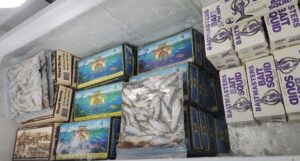
Before you launch your vessel for a grueling weekend grind, you need to pull up to Skyway Bait in Palmetto to establish your tactical payload. The tarpon are here, and they are hunting large, high-energy forage. Our tanks are packed with live small, medium, large, and jumbo shrimp, and we have fresh shipments of live pinfish arriving daily to fulfill your heavy-duty bait requirements. For the pelagic and bottom spreads, make sure your coolers are loaded to the brim with our fresh frozen threadfin herring and premium select block bait.
Verified FWC Regulations
Timestamp of Search: May 28, 2026, 2:45 PM EDT
Data retrieved directly from official Florida Fish and Wildlife Conservation Commission mandates (myfwc.com) for the Tampa Bay/Egmont Key region:
-
Tarpon: CATCH AND RELEASE ONLY. Tarpon is strictly a catch-and-release fishery. Hook-and-line gear only. Snagging, snatch-hooking, or spearing is strictly prohibited.
-
Tarpon Handling Mandate: FWC regulations dictate that Tarpon over 40 inches MUST remain in the water at all times. It is illegal to lift a large tarpon out of the water for a photograph or measurement. Keep the fish, especially the gills, fully submerged alongside the vessel to ensure maximum survival rates.
-
Spanish Mackerel: Open year-round. Minimum size limit: 12 inches fork length. Daily bag limit: 15 fish per person.
-
Mangrove (Gray) Snapper: Open year-round. Minimum size limit: 10 inches total length (State Waters) / 12 inches total length (Federal Waters). Daily bag limit: 5 fish per person in State waters within the 10-snapper aggregate.
The Tactical Audit
Steering a vessel into a high-stakes weekend tarpon grind under a major lunar phase requires total mechanical execution. You are targeting ancient, highly pressurized prehistoric sportfish navigating extreme tidal velocities in open water. Under a full moon, the volume of water moving through the mouth of Tampa Bay accelerates drastically, meaning your boat positioning, drift alignment, and terminal hardware integrity must be absolutely flawless.
Real-Time Weather and Marine Analytics
We have a typical summer pattern forming over the weekend with scattered, localized afternoon rain showers in the forecast. Do not let the radar keep you at the dock—these storm fronts are completely manageable if you watch the cells and maintain proper security protocols. More importantly, you must look at the water movement. Before you clear the tips of Snead Island or Terra Ceia, pull up our Google AI-powered “What’s Bitin” tool or our “What’s the Flow” tide chart.
The upcoming full moon creates massive vertical tidal shifts, but our tool tracks the actual horizontal kinetic flow rate directly from active NOAA reporting stations. When the “What’s the Flow” index indicates a maximum velocity outgoing moon tide passing Egmont Key, thousands of pass crabs are flushed out of the bay. Tarpon will form highly organized ambush lines directly in the deep water seams along the edge of the shipping channels to scoop these crabs and compressed baitfish schools on the surface, allowing you to establish a perfect stealth drift path.
The “Ways to Lose” Analysis
1. The Full Moon Line Snap: Abrasion Failures and Line Flash
Anglers targeting giant Tarpon along the clear beach drops are consistently snapping their lines on the initial strike or during the first vertical leap. In the hyper-clear coastal water under full moon illumination or intense daytime sun, using standard clear monofilament or heavy, rigid fluorocarbon leaders creates “The Flash.” Tarpon possess massive, highly sophisticated eyes designed to track upward silhouettes; if they detect an artificial glint reflecting off your leader, they will completely snub the presentation. Furthermore, if you manage to hook up, their rough jaw plates act like heavy-grit sandpaper, shearing weak lines instantly.
The immediate tactical fix is rigging your spinning and conventional setups with TrikFish Camo leader. The specialized multi-tonal camo layout completely absorbs light rays, breaking up the visual profile of the leader against the shifting background of water and sand. Upgrade to an 80-pound test camo leader terminated to a tournament-grade, non-offset circle hook. The camo line provides maximum structural density to survive the continuous abrasive friction of the tarpon’s jaw during an extended multi-hour battle.
2. Anchor Line Entanglement in Deep Passes
When a triple-digit Tarpon hooks up in the deep, heavy currents surrounding Egmont Key, its immediate defensive reaction is to head down-current, utilizing the massive force of the moving water to exhaust the angler. A common way anglers lose these fish is by remaining anchored when the silver king strikes. If the fish makes a high-velocity lateral surge around your anchor chain or cuts across the transom of a neighboring vessel, the line chaffs and parts instantly.
You must utilize a quick-release anchor system. Attach a heavy-duty marine buoy to the end of your anchor line using a locking carabiner. The moment a tarpon is hooked and clears the water on its first jump, your captain must instantly unclip the main anchor line from the cleat, tossing the buoy overboard to mark your position. This allows you to immediately engage the vessel’s motors and pursue the fish into open water, keeping the line perpendicular to the boat and away from structural obstructions or underwater hazards.
3. Small Bait Saturation and Improper Hooking Mechanics
With the summer patterns locking in, the passes are currently saturated with schools of blue runners, ladyfish, and smaller jack crevalle. Anglers deploying small, generic “mixed” baits are watching their hooks get stripped or intercepted before a Tarpon can ever locate the target. Furthermore, if you use a soft, degraded frozen bait, the high-velocity current will cause the bait to spin unnaturally on the hook, twisting your line into a birds-nest.
The solution requires size-sorting and proper rigging geometry. At Skyway Bait, we sort our live shrimp by size: small, medium, large, and jumbo. While our jumbo shrimp are perfect for picking apart the bottom snapper bite, tarpon targeting requires our fresh live pinfish or premium frozen threadfin herring. When rigging a live pinfish for a beach drift, run a heavy short-shank circle hook directly up through the lower jaw and out through the nostril cavity. If you are drifting frozen threadfins in the deep channel currents, run the hook through the meat of the tail segment. This keeps the bait oriented horizontally and naturally against the kinetic flow, preventing the bait from spinning and ensuring the circle hook slides cleanly into the corner of the tarpon’s jaw when the line tightens.
Technical Briefing: Q&A
Why are the Tarpon ignoring my live pinfish drifts along the Egmont Key shipping channels during peak outgoing tides? During high-velocity full moon outgoing tides, tarpon shift their primary visual focus from finfish to pass crabs swimming on the surface. If your pinfish is weighted down too deep in the water column, it sits completely below the active feeding zone. Remove all split-shots and free-line your bait right in the surface slick where the natural forage is drifting.
What is the legal protocol if a hooked Tarpon over 40 inches is brought alongside the boat for a photo? Per strict FWC mandates, the fish must remain fully submerged in the water. You are permitted to temporarily hold the fish by the lower jaw alongside the gunwale for a quick photo, but lifting the fish’s head or body onto the gunwale or inside the vessel is a direct legal violation.
How do I prevent my frozen threadfin herring from spinning and twisting my line while drifting the deep passes? You must run your circle hook directly through the center of the nose and out through the hard skull plate. If the hook is inserted off-center, the lateral water pressure from the heavy full moon current will force the bait to windmill continuously during the drift.
Where do the Tarpon stage along the local beaches when the afternoon rain storms push off the mainland? They will drop off the shallow 4-to-6-foot sand troughs and move out into the deeper 10-to-15-foot transitions running parallel to the second sandbar. They use the deeper, darker water column as security cover until the atmospheric pressure stabilizes.
What size circle hook should I deploy when matching a standard live pinfish for tarpon operations this weekend? You want to deploy a non-stainless, non-offset 7/0 to 8/0 circle hook. This size provides a large enough gap to clear the hard lip structure of a mature pinfish while ensuring there is plenty of exposed steel to pin cleanly into the corner of a tarpon’s jaw plate.
PalmettoBaitShop #SkywayBait #TrikFishCamo #FishingReportPalmetto #LiveBaitNearMe #SkywayPier