
Based on the patterns from the last 7 days, the shallow water flats stretching from South Tampa Bay down through the outer edges of Sarasota Bay are experiencing an absolute frenzy of high-end predatory action. The lack of recent heavy rainfall has kept our salinities extraordinarily high and the water incredibly clear. Because of these distinct atmospheric conditions, we are seeing some of the absolute largest fish of the spring season push into ultra-shallow water.
Over the last week, multiple local anglers have verified monstrous catches across the shallows—including a massive 41-inch trophy Common Snook pulled out of a tight mangrove pocket and a heavy influx of authentic “Gator” Spotted Seatrout measuring well into the 22-to-24-inch class. Simultaneously, schools of heavy Red Drum (Redfish) are locked into aggressive foraging patterns directly over the hard-bottom turtle grass flats.
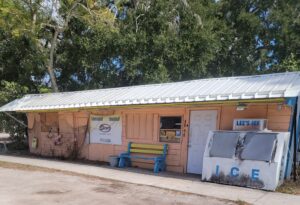
Before you drop your skiff, bay boat, or kayak in at the Snead Island, Terra Ceia, or Green Bridge launches, you need to establish your tactical loadout at Skyway Bait in Palmetto. These giant fish did not grow to tournament size by being careless around sloppy presentations. Our bait wells are fully stocked with live small, medium, large, and jumbo shrimp—sorted in advance so you can grab exactly what you need without wasting prime morning light. Pick up several dozen of our large or jumbo live shrimp to give yourself the profile needed to trigger these specific monster fish.
Verified FWC Regulations
Timestamp of Search: May 27, 2026, 7:15 AM EDT
Data retrieved directly from official Florida Fish and Wildlife Conservation Commission mandates (myfwc.com) for the Tampa Bay and Sarasota Bay Regions:
-
Spotted Seatrout (Tampa Bay Region): Open year-round. Slot limit: 15 inches to 19 inches total length. Daily bag limit: 3 fish per person. Angler Note: FWC allows one fish over 19 inches per vessel to be retained within the daily bag limit, making those 24-inch gator trout highly prized.
-
Red Drum (Redfish): Open year-round. Slot limit: Not less than 18 inches and not greater than 27 inches total length. Daily bag limit: 1 fish per person per day in the Tampa Bay and Sarasota Bay management zones. Vessel limit: 2 fish per vessel.
-
Common Snook (Tampa Bay & Sarasota Bay Regions): CLOSED SEASON. Recreational harvest is strictly closed from May 1 through August 31 to protect spawning aggregations. CATCH AND RELEASE ONLY. All snook caught must be handled with extreme care, kept in or over the water, and released immediately unharmed.
The Tactical Audit
Shallow-water operations across local flats demand an elevated level of mechanical discipline. When clear water conditions pair with high water temperatures, gamefish become acutely aware of their environment. Every hull slap, heavy splash, or unnatural reflection from your tackle acts as an alarm system that can clear a 100-yard flat in a heartbeat. To target fish that have survived multiple seasons, your presentation must be technically flawless.
Real-Time Marine Analytics
To track these large schools of roaming predators near Snead Island and the Green Bridge, you must stop operating on guesswork. Anglers must check either our Google AI-powered “What’s Bitin” tool or our “What’s the Flow” tide chart before selecting their shallow-water approach window. On the flats, vertical tide height is only half the puzzle; horizontal kinetic flow dictates the precise positioning of fish.
When the NOAA reporting stations indicate an incoming horizontal velocity between 0.8 and 1.4 knots, migrating Common Snook will align their bodies tightly against the windward points of mangrove keys, using the current to sweep forage directly into their strike zone. If the “What’s the Flow” index indicates a stagnant or decelerating current below 0.3 knots, Red Drum immediately drop their schooling behavior and scatter into the deepest sand potholes embedded in the turtle grass, requiring you to slow your movement down to a dead crawl and present high-scent baits directly on the bottom substrate.
The “Ways to Lose” Analysis
1. The Shallow Water “Glint”: Line Flash in the Potholes
Anglers targeting those trophy-class Spotted Seatrout and cruising snook inside the shallow potholes are consistently getting snubbed because of “The Flash.” In less than two feet of high-clarity water under intense sunlight, cheap, rigid fluorocarbon leaders or standard clear monofilament lines act like fiber-optic cables. They catch the sun’s rays and throw off an artificial reflective glint that signals immediate danger to a highly pressured gamefish.
The immediate mechanical fix is deploying TrikFish Camo. The specific multi-tonal, variegated design of this line breaks up light transmission under the surface, allowing the leader to blend perfectly into the alternating patterns of the grass blades and sand floors. Terminate a 25-pound test camo leader with a light-wire, short-shank circle hook. The light-wire architecture ensures your live bait isn’t weighted down, allowing a large live shrimp to swim with high-vibration, natural flight movements that trigger the predatory instinct of a trophy fish.
2. Mangrove Line Root-Wrapping on the Strike
When a giant Common Snook like the 41-inch brute reported this week strikes a bait on a high-tide mangrove shoreline, its immediate physical response is a high-velocity lateral surge directly into the submerged prop roots. Anglers are consistently losing these fish because they deploy slow-action rods or allow their drag systems to slip too easily, giving the fish the critical distance needed to wrap the line around razor-sharp barnacles encrusting the roots.
You must control the direction of the fish from the exact millisecond of the hook set. Position your boat at a calculated distance that allows for a clean, low-profile skip cast but keeps your hull out of acoustic range. Set your drag system to a heavy, linear threshold. The moment the fish inhales the bait, keep your rod tip low and parallel to the surface of the water, executing a heavy lateral sweep away from the trees rather than lifting the rod vertically. This horizontal angle engages the full structural backbone of the rod blank, physically turning the fish’s head out into the open sand flat before it can penetrate the mangrove canopy.
3. Pinfish Saturation and Sub-Sized Bait Selection
The shallow grass beds are currently loaded with schools of aggressive juvenile pinfish, mud crabs, and nuisance grass shrimp. Anglers throwing un-sorted, generic “mixed” shrimp are watching their baits get systematically stripped and destroyed before a keeper-sized Red Drum or Gator Spotted Seatrout can ever locate the presentation.
The mechanical solution requires absolute size control. At Skyway Bait, we completely eliminate this failure point by hand pre-sorting our shrimp into small, medium, large, and jumbo. For the flats, deploy our large or jumbo live shrimp exclusively. Rig the shrimp by breaking off the tail fan and threading your circle hook directly up through the tail meat. This releases a continuous, natural scent trail directly into the current, allowing foraging redfish to track the bait via olfactory senses. The thicker, tougher shell of our pre-sorted jumbo shrimp successfully resists the rapid pecks of smaller bait-thieves, remaining completely intact until a trophy predator aggressively inhales the entire presentation.
Technical Briefing: Q&A
Why are the large Spotted Seatrout refusing to strike live shrimp under a popping cork during midday hours? As the midday sun heats the upper water column, the larger, mature trout abandon the shallow flats and drop into the deeper, cooler water of the adjacent limestone potholes or channel edges. A floating popping cork keeps your bait pinned too high in the zone. Remove the cork, drop down to a free-line presentation with a single split-shot, and allow your jumbo shrimp to work naturally along the floor of the deep potholes.
Where exactly are the Red Drum staging along the Terra Ceia flats during the lowest low-tide windows? They are completely out of the grass flats and are packed tightly into the deeper sand depressions, tidal troughs, and creek mouths immediately adjacent to the main flats. They will hold there until the horizontal kinetic flow shifts and begins flooding back over the shoal.
Can I legally harvest a Snook caught near Snead Island if it measures exactly 30 inches total length? No. While a 30-inch snook falls within the historical 28-to-33-inch slot, the FWC harvest season for both the Tampa Bay and Sarasota Bay regions is completely closed from May 1 through August 31. It is currently catch and release only.
Why are the Snook ignoring my live bait presentations along the open beach flats? With the clear water and high sun, they are highly sensitive to terminal hardware profiles. If you are using a heavy swivel or a bright wire leader, they will completely bypass the bait. Switch to an all-stealth presentation using TrikFish Camo tied directly to your mainline with a line-to-line knot.
What is the most effective way to hook a live shrimp when targeting Red Drum digging in the grass? Break off the tail fan of the shrimp and thread a short-shank circle hook directly up through the tail cavity. This releases a continuous scent trail directly into the grass blades, helping the foraging redfish locate the bait via olfactory tracking while preventing the shrimp from grabbing onto the grass stalks.
PalmettoBaitShop #SkywayBait #TrikFishCamo #FishingReportPalmetto #LiveBaitNearMe #SkywayPier